

Fairy Godmother Project: Giving Families the Gift of Time
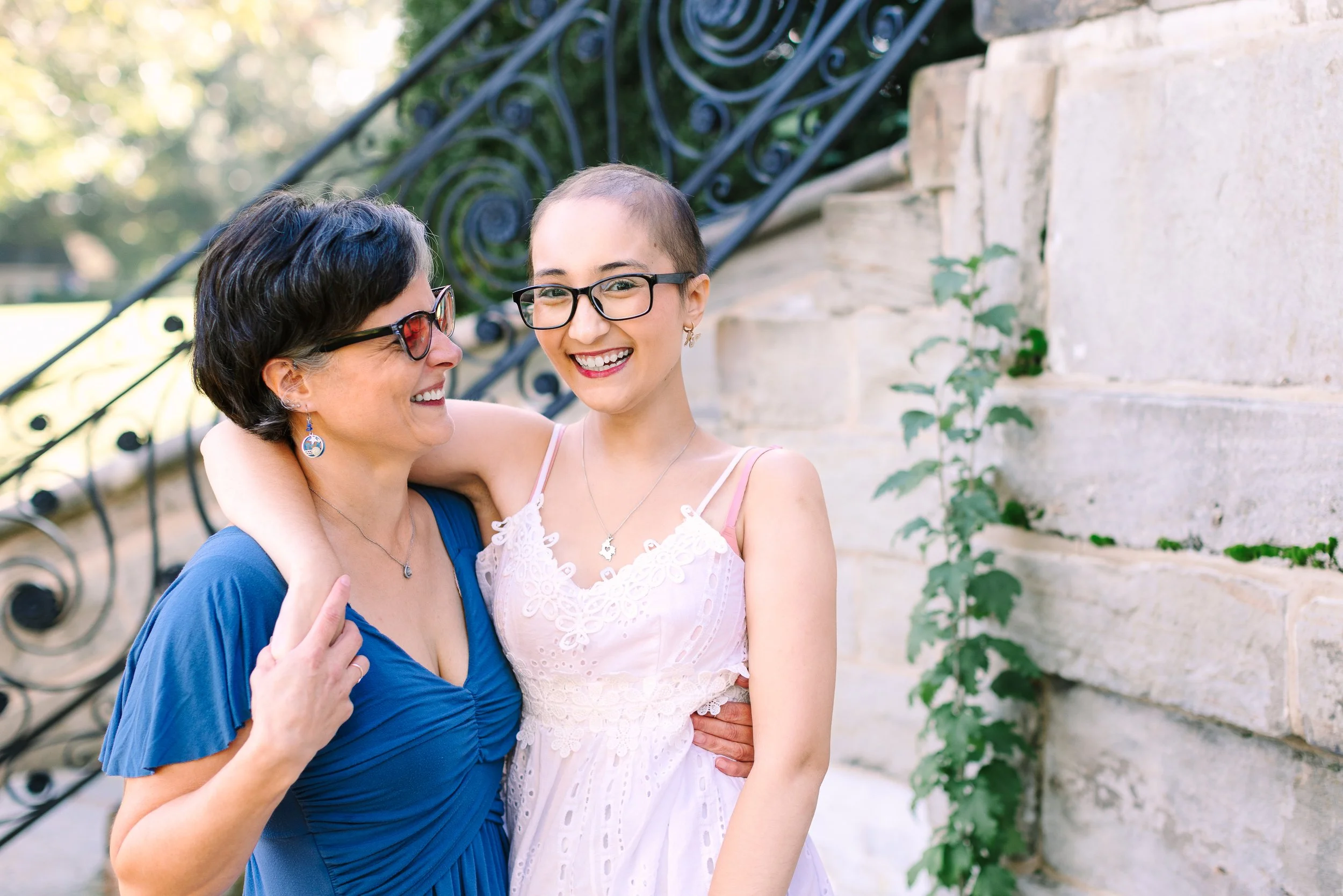
When a child receives a cancer diagnosis, the entire family's world shifts on its axis. Hospital stays, treatment schedules, and medical decisions consume every waking moment, leaving little room for the mundane necessities of daily life. But what if someone could wave a magic wand and take care of some of those burdens? That's precisely what Fairy Godmother Project does for families navigating the darkest chapter of their lives.
Founded by Andie Ayers and Stephanie Maurer in 2012, Fairy Godmother Project (FGP) takes a unique approach to supporting families facing pediatric cancer. While many organizations focus on the young patients themselves, FGP recognized an often-overlooked truth: when parents are drowning in stress and exhaustion, the entire family suffers.
"Unlike most pediatric cancer organizations, FGP focuses on the parents," explains Cathleen Pessolano. "Our philosophy is that by reducing their day-to-day burdens through things like house cleaning, meals, and emotional and financial support, we provide these caregivers with more time and less stress, allowing them to support their families during these difficult times better."
The organization's origin story is rooted in compassion and lived experience. Through personal connections with families facing pediatric cancer, founder Andie Ayers witnessed a painful pattern. "Andie saw how people often disappeared in their time of need and created FGP to be present and help ease their burdens," Stephanie shares. Stephanie Maurer complemented this vision by establishing the photography program, connecting families with professional photographers to preserve precious moments during treatment.
Today, FGP's reach is substantial and growing. The organization currently supports 28 families with children in active treatment, 10 families in their first year of remission, 72 families in survivorship, and-- of utmost importance-- continues to walk alongside 26 families who have experienced the unimaginable loss of a child to cancer. Their support doesn't end when treatment does; FGP remains a constant presence through remission, survivorship, and bereavement.
The scope of services FGP provides is remarkable. House cleaning services, gas and grocery gift cards, prepared meals, financial assistance, care packages, photography sessions, and emotional support all work together to create a comprehensive safety net. "FGP's mission is to alleviate the heavy load of families facing all phases of a pediatric cancer diagnosis by taking care of the everyday tasks," Cathleen emphasizes. "We can't change the diagnosis, but we can walk alongside them throughout their experience."
The impact of this support becomes tangible in the stories families share. One FGP mother, whose daughter Cora Jeane was diagnosed at just eight months old with a rare inoperable brain cancer, recently described how the organization became their lifeline through more than two brain surgeries and 42 rounds of chemotherapy.
"We'll never forget the time our car broke down, and because of the AAA membership that FGP provides, our car was towed and repaired the same day," the mother recalled. She described how meals would arrive after exhausting hospital stays, exactly when the family had no energy left. "They aren't just food; they are comfort, care, and love," she explained. The professional cleaning services provided something equally precious during chaos: "Walking into a clean house when your world feels upside down is a gift that's hard to put into words."
Perhaps most powerfully, she captured the essence of FGP's mission in a simple statement: "The truth is, they've given us time—the time to simply be with our child, to hold her hand, and to focus on love rather than logistics. For that, there are no words strong enough, but please know our gratitude is endless."
For the FGP team, these testimonials fuel their work. "Our biggest inspiration is working directly with FGP families," she says. "Hearing from the parents how support from FGP has truly made a difference in their families and has given them more time with their kids."
Getting to see the kids connect at events and have fun getting a small reprieve from treatment is also a joy for volunteers and parents alike.
The organization's approach is profoundly personal. "Everything we do is for our families, and it includes laughs, tears, hugs, and just meeting them wherever they are," Cathleen notes. This philosophy of meeting families exactly where they are—emotionally, practically, and physically—sets FGP apart from more traditional support organizations.
Community support has been instrumental in FGP's success, and the organization welcomes continued partnership. Several opportunities to get involved are on the horizon. December features the Year-End Giving campaign, followed by ticket sales for the Stardust Ball beginning January 23rd, along with numerous other upcoming events and drives. For example, starting in January, community members can sponsor an FGP family through the Community Care Package program, which runs from February through July and involves creating monthly care packages for families.
"We love this community and are so grateful for all of the support that FGP receives from so many local people, organizations, and businesses," Stephanie says. "We always welcome new partnerships!"
In a world where fairy godmothers exist only in storybooks, Fairy Godmother Project proves that real-world magic is possible. It arrives in the form of a clean home, a warm meal, a full gas tank, and the precious gift of time— time for parents to be present with their children when it matters most. For families navigating pediatric cancer, that's the most powerful magic of all.
For more information about Fairy Godmother Project or to get involved, visit www.fgpinfo.org.
