
Freedom to Learn: Building Independence Through Everyday Skills
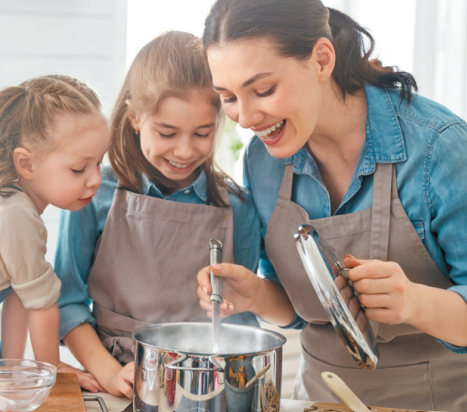
"The greatest sign of success for a teacher is to be able to say, 'The children are now working as if I did not exist.'" — Maria Montessori
Summer is often thought of as a break from learning — but for parents, it may be one of the most powerful teaching seasons of the year. With schedules loosened and more time at home, July is the perfect moment to step back and ask: Are we giving our children room to grow
Independence doesn't arrive overnight. It is built quietly, in the kitchen, in the backyard, at the grocery store, and in the small, repetitive moments of daily life. When children are given age-appropriate responsibilities — making their own breakfast, managing a small budget at the farmer's market, or figuring out how to resolve a conflict with a sibling without a parent stepping in — they are developing something that no standardized test can measure: the confidence that they can handle life.
The observation, with my own children as well as my 30 plus years teaching, mentoring and volunteering with children, is that children who are allowed to practice independence early develop stronger problem-solving skills, higher resilience, and greater self-esteem as they move into adolescence and adulthood.
Today many of our children’s schedules mirror adult schedules and leaves little time for free flow learning and more micromanaged time due to so many activities and commitments. Many kids arrive at college or their first job never having done their own laundry, cooked a simple meal, or managed their own time without a parent prompting them at every step.
The good news? It is never too late to start — and summer is your invitation.
Start small and be intentional. A six-year-old can sort and fold laundry. A nine-year-old can plan and help prepare a simple dinner. A twelve-year-old can manage a weekly allowance, track their spending, and begin to understand trade-offs. A teenager can navigate public transit, advocate for themselves in a doctor's office, or take the lead on planning a family outing from start to finish. The goal is not perfection — it is practice.
One of the most important shifts parents can make is resisting the urge to rescue. When a child struggles with a task, the temptation to swoop in is real and loving — but pausing long enough to let them wrestle with it, make a mistake, and try again is one of the greatest gifts a parent can give. Mistakes are not failures; they are feedback. They teach children that setbacks are survivable and that effort leads to growth.
This July, consider creating a "Family Skills Summer" in your home. Sit down together and brainstorm a list of practical skills your child wants to learn or that you know they'll need. Let them choose two or three to focus on in the coming weeks. Post the list somewhere visible. Celebrate progress — not just results. The enthusiasm you bring to these moments sends a message louder than any lecture: You are capable. You are trusted. You can do hard things.
“Freedom to learn is not about doing less as a parent. It is about doing differently — shifting from doing for to doing alongside, and eventually stepping back to watch them lead. That is where confidence is born.”
-Cherice Taylor, Contributing Writer & Time Matters Podcast Creator & Host