
From Donations to Careers: How Goodwill Is Powering Workforce Opportunity in the Fredericksburg Area
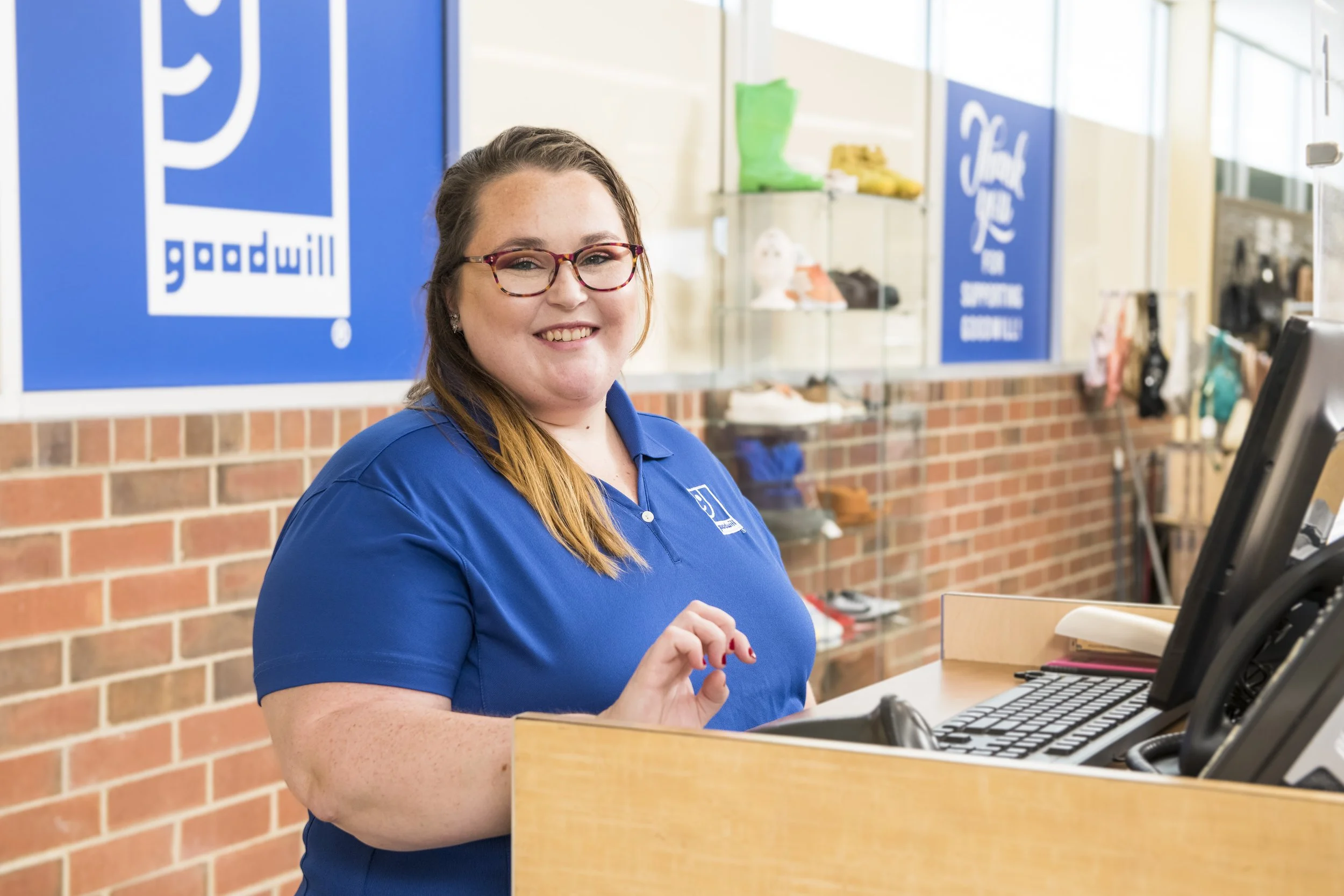
For many people, Goodwill is best known as a place to donate clothing and shop for secondhand finds. What’s less visible is the work it does beyond the stores, using a portion of its sales revenue and federal funding to create career opportunities and support the local workforce. Rappahannock Goodwill creates convenient opportunities for residents to shop and donate with 2 e-commerce sites, 15 retail stores, and one of the largest Goodwill stores in Virginia, now open in Stafford’s England Run shopping center.
Behind the racks and registers is a workforce development mission supported by the Workforce Innovation and Opportunity Act (WIOA), a 2014 federal act designed “to help get Americans, including youth and those with significant barriers to employment, into high-quality jobs and careers and help employers hire and retain skilled workers.” While WIOA provides the framework and funding, its impact depends on local organizations that bring those resources directly to people who need them. The Bay Consortium Workforce Development Board administers WIOA funding locally, and Rappahannock Goodwill Industries has been an applicant and awardee for several years, providing services to members of the community through its Virginia Career Works Centers.
These centers operate as community hubs, offering career counseling, job readiness training, work experiences, and access to occupational skills training that aligns with local employer needs.
Beyond the Store: Goodwill’s Workforce Mission
“The biggest misconception is that Goodwill is just a store,” said Stacey Linkenhoker, a WIOA Career Services Specialist at the Virginia Career Works Fredericksburg Center. “What people don’t see is that every donation has a second life—not just on the sales floor, but in the form of education, training, and support that helps someone move forward.”
Through its oversight from the Bay Consortium Workforce Development Board, Rappahannock Goodwill delivers workforce programs that support adults, youth ages 16 to 24, and individuals who have lost jobs due to layoffs or economic shifts. At its core, the work is about removing obstacles that keep people from employment.
“Sometimes that barrier is a lack of experience. Sometimes it’s financial. Sometimes it’s transportation, childcare, or even just not knowing where to start. Our job is to meet people where they are and help them take the next step,” Ms. Linkenhoker explained.
Personalized Pathways for Participants
That next step looks different for every participant. Some come in needing help completing a GED or building basic workplace skills. Others already have education but need industry-recognized credentials or hands-on experience to break into a field. Increasingly, many are adults retraining after realizing their previous career no longer offers stability or growth.
“Life happens,” Ms. Linkenhoker said. “Plans change. Having a place you can go when that happens makes all the difference.”
With WIOA funding, Goodwill helps participants pursue training in high-demand fields such as healthcare, transportation, and information technology. Certifications like certified nursing assistant (CNA), commercial driver’s licenses (CDL), and IT credentials can open doors to sustainable careers. Equally important, the program offers supportive services that help ensure participants can complete their training.
“We don’t just pay for a class and wish someone luck,” Ms. Linkenhoker said. “If they need help with gas, work shoes, scrubs, books, or testing fees, we help them. Those things matter. If you don’t address them, people can fall through the cracks…Community support, like rounding up a purchase at Goodwill, makes this possible.”
Collaboration: The Key to Success
According to Jessica Weber, Manager of the Virginia Career Works Fredericksburg Center, collaboration is what allows the system to work effectively.
“WIOA gives us the structure and the funding,” Ms. Weber said. “But it’s the local partnerships—Goodwill, employers, local school divisions, and community colleges—that turn that into real outcomes for people.”
Last year, Germanna Community College and Rappahannock Goodwill Industries launched a partnership to expand internship and job placement opportunities for students. The program connects students with local employers, giving them paid hands-on experience and skills that prepare them for the workforce.
Supporting Youth and Schools
Youth services are a significant part of Goodwill’s impact. Through the WIOA Youth Program, the organization supports young people ages 16 to 24 who face certain employment barriers, helping them improve educational achievement, explore career pathways, and gain early work experience.
Ms. Linkenhoker, who previously worked in career and technical education in high schools, now serves as a bridge between schools and workforce services. Workforce staff visit high schools across the region to provide resume workshops, interview preparation, and career exploration activities.
“When students hear the same message over and over, sometimes it doesn’t click,” she said. “But when it comes from someone outside the building, suddenly it sticks. We’re here to support educators and give students a clearer picture of what comes next.”
Building Community Impact
These efforts help reframe what Goodwill represents in the community—not just a retail destination, but a workforce partner invested in long-term economic stability.
“When you help someone overcome barriers to employment,” Ms. Linkenhoker said, “you’re not just helping that person. You’re strengthening families, employers, and the entire community.” In 2025, Rappahannock Goodwill served 10,000 job-seekers and placed 1,700 community members into jobs, ranking #3 nationally amongst all Goodwill organizations with a starting wage that averaged over $22 an hour.
As workforce needs continue to evolve, local employers play an important role by partnering with Goodwill through work experiences, internships, and job placements. Even a single hire can represent a meaningful success.
“It might feel small on the business side,” Ms. Linkenhoker said, “but for us, every placement matters. Every success story adds up.”
From Donations to Opportunity
Ultimately, the Rappahannock Goodwill Industries demonstrates how donations, public funding, and community collaboration can intersect to create real opportunity. What begins as a donated jacket or a visit to a career center can become a pathway to stability, independence, and a stronger local workforce.
For residents unsure of their next step, Ms. Linkenhoker offered advice: “You don’t have to have it all figured out. You just have to know where to go.”