

Marching Into Motion: Preparing Our Pets for Spring
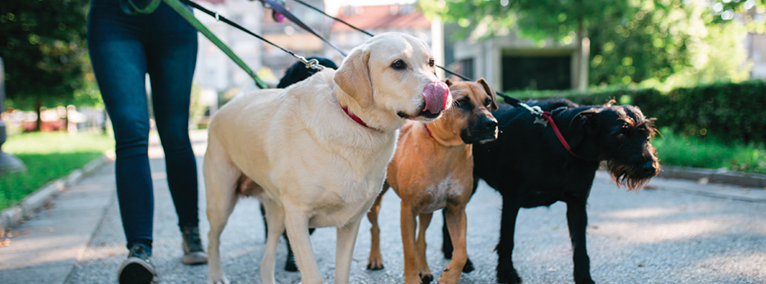
As March arrives in Virginia, there is a familiar shift in the air. The days stretch a little longer, the sun feels warmer, and our pets often sense it before we do. Dogs linger at the back door; cats seek out the warmest windowsills. Suddenly, everyone seems ready to shake off winter and get moving. But while the Virginia spring arrives quickly, our pets’ bodies often lag behind.
I think of March as an "in-between" month. Between the cold, damp weather and the shorter days, even the most active owners tend to move a little less in winter. By the time the first daffodils appear, many pets are carrying a combination of stiffness, reduced muscle strength, and subtle physical strain. It’s easy to miss, but it becomes incredibly important the moment we pick up the leash for that first long hike.
What Winter Leaves Behind
Last month, I shared that recovery from an injury doesn’t end just because surgical staples are out or medications are finished. Healing is a process, and movement must be guided. That same philosophy applies even when there hasn’t been an obvious “trauma.” Winter itself is a quiet stressor.
During colder months, pets often lose muscle tone, particularly in the hind limbs and core. Muscles aren’t just for show, they stabilize joints and act as shock absorbers. When that internal suspension system weakens, joints and soft tissues are forced to take on extra workload, increasing strain.
Cold and damp weather can also increase inflammation and stiffness, especially in pets with arthritis or prior injuries. Many owners notice their pet is slow to get going or stiff after resting, but seems to loosen up once moving. These subtle changes are signs that the body isn’t moving as freely or comfortably as it could.
Why Weight is a Springtime Physics Issue
Winter also affects body composition. Some pets gain a few pounds, while others lose muscle and replace it with fat. But weight is more than a cosmetic issue, it’s a matter of physics.
A deconditioned body feels extra weight more acutely than a strong, balanced one. Added load increases the force traveling through every tendon and ligament. Research shows that even a modest weight loss of around 6% can significantly improve comfort and mobility. Addressing weight now, primarily through nutrition rather than sudden increases in exercise, helps reduce the risk of injury when spring enthusiasm outpaces physical readiness.
For owners interested in learning more, the Association for Pet Obesity Prevention (petobesityprevention.org) offers excellent resources that focus on quality of life, not just numbers on a scale.
March is About Preparation, Not Pressure
One of the most common mistakes I see is jumping straight from winter inactivity to spring-level expectations. Walks suddenly get longer, play becomes more intense, and pets are asked to move like they did last fall, without time to catch up.
This is the season for a “slow wake-up.” Focus on:
Gentle, consistent movement: Shorter, more frequent walks rather than a weekend marathon
Early pain recognition: Watch for posture changes or “bunny hopping”
Nutritional adjustments: Lighten the load before activity ramps up
Looking Ahead
Take a moment this week to really observe your pet. Do they hesitate before the stairs? Are they slower to transition from a sit to a stand? Do they look stiff after a nap? Is there a new arch in their back? These signs appear long before an obvious limp and are much easier to address when caught early.
Think of March as laying the foundation for the months ahead. By reducing strain, supporting comfort, and allowing the body time to adjust, you set your pet up for a safer, more enjoyable return to activity. If you’re unsure where to start, a thoughtful check-in with a veterinarian focused on comfort and movement can help guide the transition.
In April, we’ll talk more about assessing readiness for increased activity and preventing common springtime injuries. For now, small, intentional changes can make a big difference in how comfortably your pet moves into the season ahead.