

Spring Itch: What Your Dog’s Skin May Be Telling You
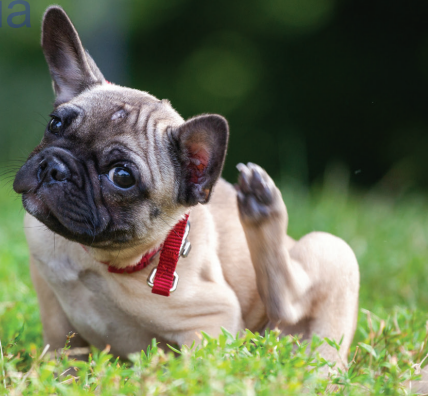
Spring brings longer days, warmer weather, and more adventures with our dogs. But it also brings something many guardians don’t anticipate: a rise in itching, irritated ears, and skin flare-ups.
When nature wakes up, so do allergens.
Pollen, grasses, mold spores, and environmental debris all surge in the spring months. Dogs don’t just inhale these threats the way humans do — they absorb them through their skin, paws, and ears. What often begins as a little extra scratching can quickly escalate to inflamed skin, irritated ears, or digestive upset.
The first step is understanding that many springtime skin issues are not behavioral or random; they are environmental.
Common early signs to watch for include the following:
frequent scratching or nibbling at paws
head shaking or ear odor
red or irritated skin around the belly, paws, or ears
increased licking after outdoor time
Before reaching for harsh treatments, consider starting with environmental support by trying the following:
Rinse after outdoor adventures. A simple rinse of paws and underbelly after walks can remove pollen and allergens before they irritate the skin.
Keep ears dry and clean. Moisture and debris trapped in the ear canal foster irritation.
Support the skin barrier. Healthy skin is a dog’s first defense against allergens. Gentle grooming, appropriate nutrition, and avoiding harsh chemicals all play a role.
Be thoughtful about flea and tick prevention. Many dogs react strongly to both fleas and ticks, as well as the chemicals used to treat them. Natural deterrents like cedar-based sprays or essential-oil-free botanical repellents can sometimes provide support when used appropriately.
And, perhaps most importantly, pay attention early.
Dogs often communicate discomfort through small changes before symptoms become severe. A little extra scratching today may be your dog’s way of telling you that their system is working harder to manage the season.
Spring should feel like freedom, not frustration.
A little awareness of environmental shifts can go a long way in helping our dogs move through the season comfortably.
Because when the body feels better, the whole dog does too.
Behavior isn’t the enemy. It’s the invitation.