

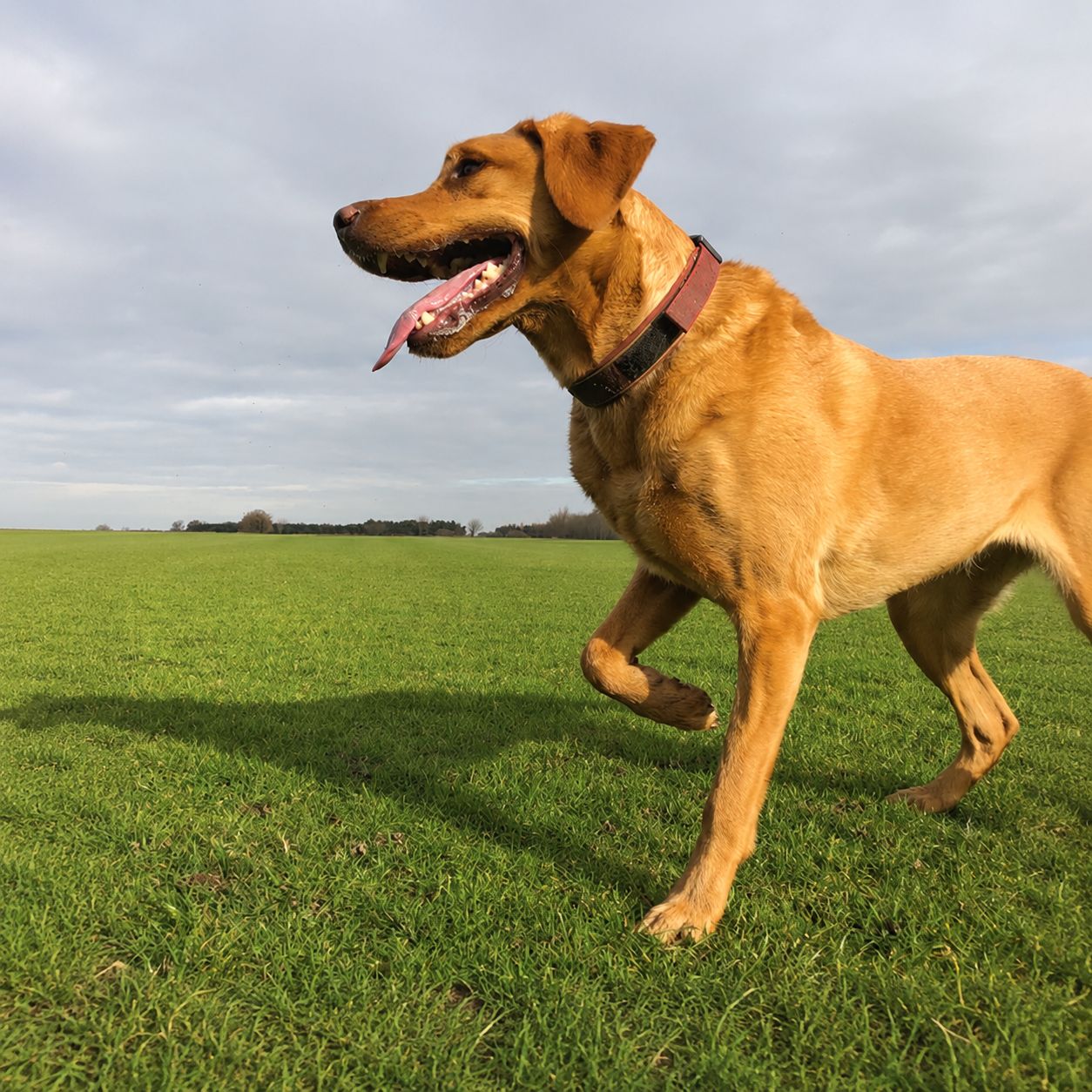
If your dog spent the last few months sprinting through the backyard, hiking with you, or roughhousing at the dog park, they have been living their best summer life. By the time August rolls around, all that high-impact fun can take a toll. It is a common myth that mobility issues are strictly for older dogs. Whether you have a clumsy puppy, an athletic weekend warrior, or a senior pet, a summer injury can happen to any dog at any age.
What Can Cause a Limp?
Several conditions show up frequently this time of year:
Cruciate Injuries: The cranial cruciate ligament (CCL) is the canine ACL. A sudden pivot or slip can cause it to stretch or tear, leading to sudden hindlimb lameness.
Soft Tissue Injury: Repetitive sprinting or fence-running can overextend tendons and muscles, especially in the neck and groin area (iliopsoas).
IVDD (Intervertebral Disc Disease): A hard landing off a deck can cause a spinal disc to bulge or herniate. This mimics a leg injury but causes sudden pain and weakness.
Arthritis Flares: Increased activity can worsen underlying joint inflammation at any age.
Environmental Hazards: As we discussed last month, copperheads are active here throughout the summer. A snake bite, splinters, torn nails, or wounds to paw pads can also cause lameness.
Hidden Systemic Issues: Tick-borne diseases like Lyme frequently cause shifting leg lameness, while less common issues like bone tumors can also present as a persistent, unresolved limp.
Triage: Give It Time, Appointment, or ER?
Give it time (24 to 48 hours): If the limp is mild, your dog bears weight, and they are eating normally, it's appropriate to wait and see if the lameness improves. Restrict activity completely, using a short leash for bathroom breaks only, and apply a towel-wrapped ice pack for 5 to 10 minutes. Never give human medications like ibuprofen or Aleve, as they are highly toxic to dogs, and even milder options like aspirin can interact with medications your vet may prescribe.
Make an appointment: If the limp persists beyond a day or two, comes and goes, or worsens gradually, make an appointment with your primary care veterinarian.
Head to the ER: Seek care immediately if your dog is non-weight-bearing, shows neurological changes like knuckling or dragging a limb, or displays severe pain such as constant vocalizing or guarding the painful area.
What Happens at the Vet
A proper workup starts with an orthopedic exam to check joint stability, alongside a neurologic exam to rule out spinal cord issues like IVDD. X-rays directly evaluate bones and joints, and advanced imaging, such as an MRI, may follow if surgery is required.
Because we often prescribe NSAIDs, expect baseline bloodwork to confirm the liver and kidneys are healthy enough to process the medication. We also routinely run a 4Dx test to screen for tick-borne diseases during peak season.
Where Integrative Medicine Comes In
If you read my column regularly, you know I practice as both an ER veterinarian and an integrative medicine practitioner. Once we establish a diagnosis, conventional treatment is often just the first layer of care. Medications excel at blunting acute pain, but true healing requires addressing the entire body, which is where an integrative approach shines.
Rather than just resting a patient and waiting for time to pass, we use specific modalities to target different aspects of recovery. Targeted laser therapy uses light energy to stimulate cellular repair and reduce inflammation at the source. Medical acupuncture relieves pain and releases the compensatory muscle spasms that build up in the neck and back when a dog shifts weight off an injured limb. And rather than relying purely on crate confinement, controlled rehabilitation introduces gentle movement early on to preserve muscle mass and prevent chronic stiffness.
The Bottom Line
Do not wait out a limp indefinitely. A quick assessment catches small issues before they become major ones, keeping your pet comfortable and moving well into autumn.