

Bringing New Life to Old Floors
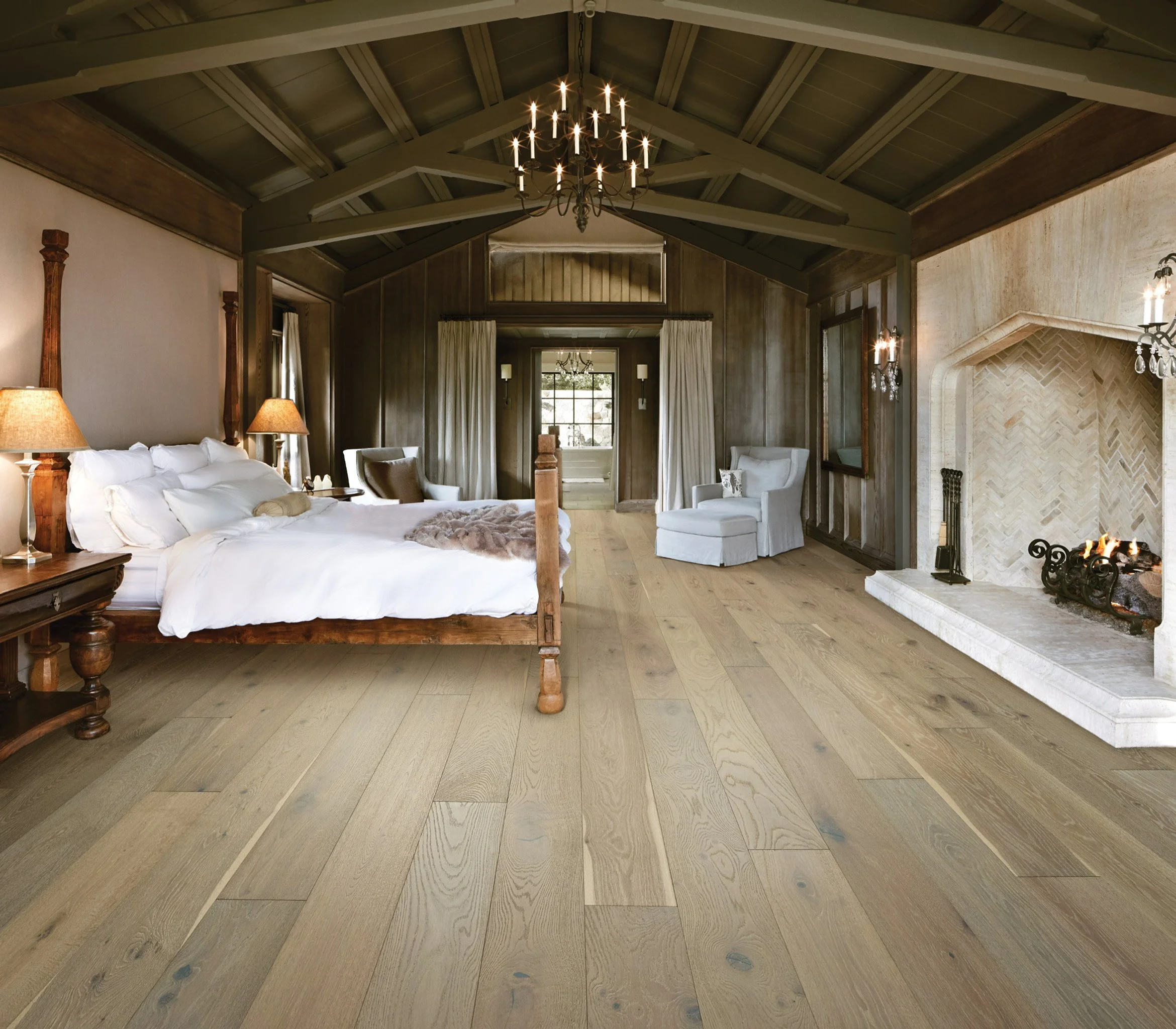
Nothing says charm and craftsmanship more than an older home. Small geometric hand-placed tiles and warm hardwoods evoke the time when these homes were first lived in. Once beautiful, after decades of “wear and tear” and outdated style, it’s time for an upgrade. Homeowners must choose updates that enhance style and durability. The upgrade will depend on the floor composition, subfloor integrity, proper flooring transitions, and the practicality of the room design.
Flooring composition may vary from decade to decade. However, the most common floor material before the 1960s was solid hardwood, typically pine, oak, or maple. Mostly installed over wooden joists or a plank subfloor. This type of floor may be buried under layers of carpet and vinyl, but it was built to last for generations. Sanding and refinishing are excellent options if the floor’s quality and integrity are stable. In this process, scratches and dents are smoothed, a contemporary stain color can be chosen, and a matte or gloss finish can be applied. If damage and moisture make refinishing impossible, new planks can be installed and stained to match the unaffected areas.
Subfloor integrity must also be considered with historic homes. Unevenness, sagging, and termite damage are common problems. Aging joists and foundations that have settled over the years cause dips and slopes. Trained installers can assess the underlying issues and repair subfloors by applying a leveler, replacing joists, and applying Luan. This step is vital to the floor's longevity moving forward.
Appropriate transitions need to be incorporated into older homes because many have multiple types of flooring, with some having up to five different applications. With different flooring types come height differences and tripping hazards. Transitions add safety and smooth aesthetics from room to room. Flooring installers with a trained eye will also match trim, thresholds, and reducers to make the floor and the room mesh.
Room design plays a key role in creating historic homes that feel modern. Living areas, entryways, hallways, and basements may have linoleum or cracked, uneven tile. Today, homeowners desire the durability found in luxury vinyl plank, modern tile, and engineered hardwood. There are products on the market that exude a natural look while still offering moisture resistance and high-traffic durability, suitable for pets and children. These materials, while increasing durability, can also complement the original architectural style of the historic design. Choosing color stains and finishes that coincide with the home’s original design, like classic oak in a traditional colonial home, welcomes class. Wider planks can enhance the rustic character of farmhouse design.
Updating floors in an older home requires careful planning, but it is an opportunity to enhance floor function and beauty. The plan should include creating a floor that honors the home’s past while creating a space that supports today’s lifestyle. A flooring renovation can breathe new life into an older home, bringing character and craftsmanship to the space.