

Spring Training Starts at Home: Getting Your Dog Game-Day Ready
April in our area feels like pure momentum. The dogwoods are blooming, the evenings are stretching longer, and our local trails are coming back to life. You can feel the change in energy. Neighbors are reclaiming the sidewalks and dogs are buzzing with that unmistakable "it’s finally spring!" spirit.
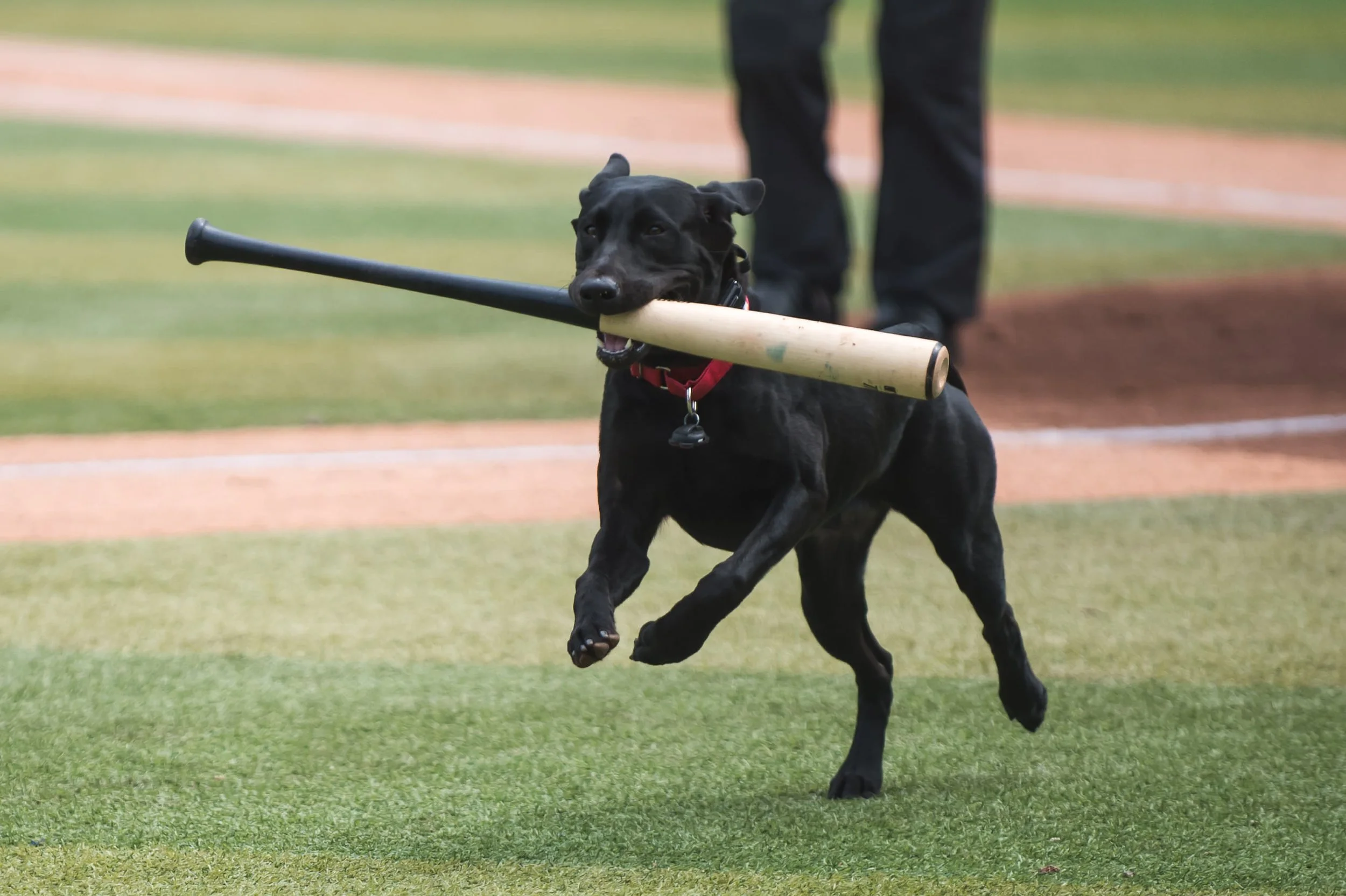
By now, Opening Day for our Fredericksburg Nationals has come and gone. If you've been out to the ballpark, you've likely seen Diamond, the FredNats' beloved bat dog, making her first high-speed sprints of the season. What many fans don't realize is that Diamond's spring training began weeks before the first pitch, in a quiet exam room at Cladda, our area’s newest veterinary ER and specialty clinic.
The Preseason Readiness Exam
Just as every major league player reports to spring training before the season opener, Diamond had her own preseason ritual. In late February, I performed her preseason physical. As her integrative and rehab veterinarian, my goal is to make sure she doesn't just show up, but that she performs safely. Like any athlete, she can't simply pivot and sprint at full speed without a foundation of conditioning behind her.
A true preseason exam covers the whole athlete. We ran wellness bloodwork to confirm her organs are functioning well, screened for heartworm and tick-borne diseases, checked for intestinal parasites, and updated her vaccines and preventatives. We reviewed her nutrition and supplements, talked through grooming basics like ear health, paw pad condition, and nail length, and mapped out a warm-up and cool-down protocol for game days.
Then we dug into the performance side. We checked muscle symmetry: is one side working harder than the other? We evaluated joint mobility and analyzed her gait at different speeds. We're looking for the "whispers" of strain before they become the "shouts" of an injury.
The "Too Much, Too Fast" Trap
Most of our dogs aren't retrieving bats in front of a crowd, but their joints face the same demands when backyard zoomies get longer and weekend hikes return. Spring injuries rarely come from one dramatic misstep. More often, they're the result of enthusiasm rising faster than conditioning. A dog coming off a quiet winter may be mentally ready for a three-mile hike, but their tendons and ligaments need a few weeks to catch up.
How to Coach Your Home Athlete
Think of April as your dog's spring training. The goal isn't peak performance on day one. It's building toward it safely. A few simple steps can help keep your dog off the injured reserve list:
The 10% Rule: Increase activity duration or intensity by no more than 10 to 15 percent per week. Don't double their mileage just because the weather is finally cooperating.
Warm Up First: Before hitting the trail or tossing the ball, start with a 5 to 10 minute leash walk. It gets the blood moving and prepares muscles before they're asked to work hard.
Watch the Recovery: Is your dog stiff the next morning? Taking wider turns during fetch? Slow to sit down? Those aren't just age-related quirks. They're worth paying attention to.
Weight Matters: A lean dog is a more comfortable dog. Carrying extra weight is hard on joints, and it makes the Virginia summer heat harder to handle too.
Looking Ahead
Diamond's success on the field comes from consistent, proactive care. Your dog deserves the same. Whether your athlete is a senior Shepherd patrolling the backyard, a Doodle eyeing the Heritage Trail, or a Retriever who lives for the next tennis ball, a little preparation now goes a long way.
If you're not sure your dog is ready for a more active spring, a quick tune-up with your veterinarian is a good place to start. Now get outside, move a little more each day, and let's help our dogs feel as good as they look!