

Your Renovation Is Complete — Now What?: A Homeowner’s Guide to Aftercare
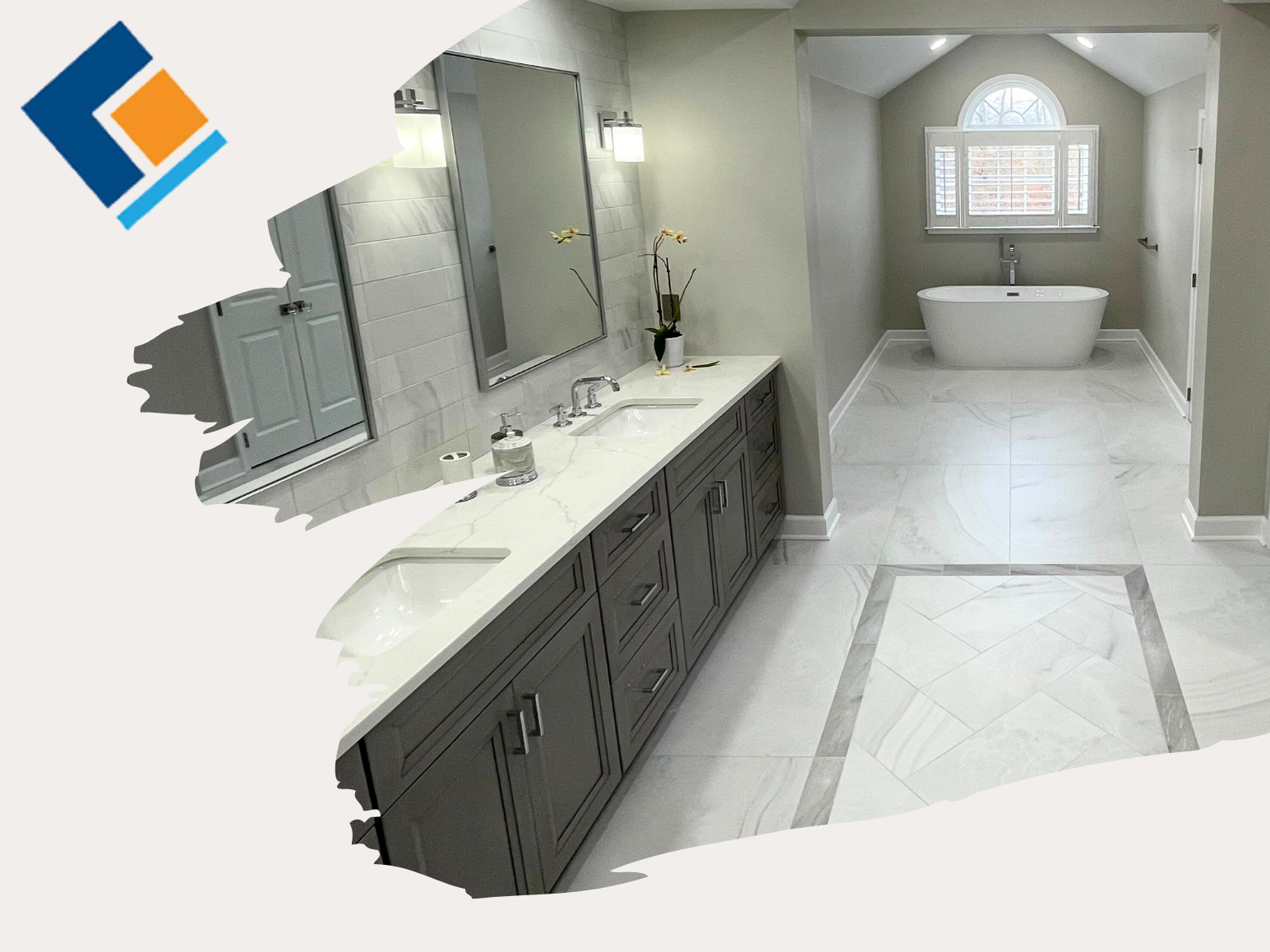
There is nothing quite like the excitement of a finished kitchen renovation. But after the crew packs up and the dust settles, every homeowner should be asking: how do I keep it looking this way?
At Kitchens for You, we believe our job doesn’t end at installation, so here’s everything you need to protect your investment.
Cabinet Cleaning & Care
For painted, stained, laminate, melamine, or acrylic surfaces, wipe spills immediately with a warm, damp cloth and dry right away. For regular cleaning, use a microfiber cloth dampened with warm water — never leave moisture sitting. For tougher grease or food residue, a mild solution of four–five drops of Dawn® dish soap per gallon of warm water works well. Always dry immediately after, wipe with the grain if applicable, and never drape damp towels over cabinet doors.
A few times a year, do a thorough exterior clean, paying extra attention to areas around knobs and pulls where oils build up. Watch these special-attention spots: cabinets near the dishwasher collect steam and heat with every cycle; sink cabinets — especially around farm or apron sinks — are prone to water exposure; and, if you use your oven’s self-cleaning feature, just be mindful of the heat and dry off any excess steam, if present.
Granite & Quartz Countertop Care
Wipe spills promptly with mild dish soap and warm water. Using coasters, trivets, and cutting boards is recommended as well to ensure longevity. Avoid acidic cleaners (vinegar, lemon, bleach), abrasive scrub pads, and wax- or oil-based polishes on both granite and quartz.
Granite requires sealing after installation and typically every one–two years after that. Test it by sprinkling water on the surface — if it darkens instead of beading, it’s time to reseal. Quartz is non-porous and needs no sealing, but stick to gentle, pH-neutral cleaners for daily maintenance.
Tile & Flooring Maintenance
Clean spills immediately with a damp cloth or sponge.
Sweep or vacuum regularly to prevent scratching from dirt and grit.
Seal polished porcelain tiles and grout joints after installation and as needed.
Use low-VOC cleaners for glazed tile; use a neutral pH detergent for unglazed tile. Rinse thoroughly after every cleaning.
Avoid wax, bleach, ammonia, acids, or harsh sealants in routine maintenance.
Long-Term Care & Our Commitment
Even premium finishes can chip or scratch over time — touch-up finishing is available, so contact us for recommendations. Hardware may also need occasional adjustment; hinge tightening and door realignment are routine, not red flags. Above all, maintaining stable temperature and humidity in your home is the single best thing you can do for your cabinetry, countertops, and flooring in the long term.
Follow these guidelines and your new kitchen will reward you with beauty and function for decades. If you ever have questions or need anything, we’re always here to help.