

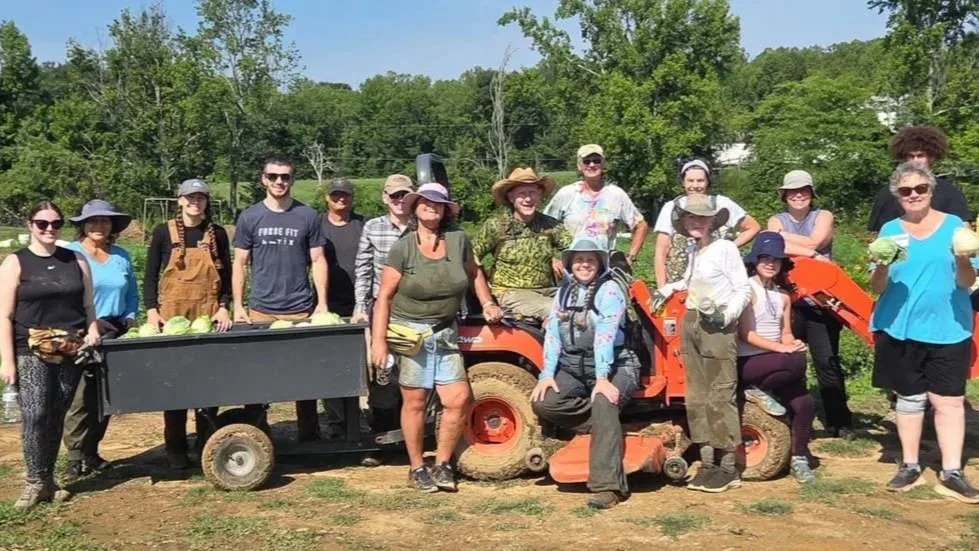
If you're looking for a meaningful way to give back to the Stafford community this summer while spending time outdoors, volunteer at the Rappahannock Education Farm. This nonprofit, volunteer-driven organization reduces food insecurity by growing fresh produce for local food banks and food pantries. It also teaches sustainable gardening and farming practices, giving volunteers valuable hands-on experience.
High school students are especially encouraged to get involved. If you need volunteer hours for school or National Honor Society, or simply want to make a difference, join REF this year. Volunteers work alongside community members of all ages, learning practical farming skills while helping provide nutritious food to families across the region.
Volunteer activities change with the seasons. Summer volunteers continue planting while also helping weed, water, and harvest crops as they ripen. The warm months require many helping hands to keep the fields healthy and productive. Throughout the year, volunteers may work with a wide variety of fruits and vegetables.
Depending on the season, you might help grow kale, collards, cabbage, spinach, onions, potatoes, sweet potatoes, tomatoes, peppers, cucumbers, zucchini, squash, radishes, turnips, broccoli, beets, watermelon, or cantaloupe. Every harvest contributes directly to local families experiencing food insecurity.
Volunteering at REF offers more than community service hours. Students gain experience in teamwork, responsibility, environmental stewardship, and sustainable agriculture. They also learn where food comes from and how local organizations work together to fight hunger. These experiences can strengthen college applications and résumés while creating lasting connections with fellow volunteers and community members.
The Rappahannock Education Farm began with a simple idea: bringing the community together to grow healthy food for those who need it most. Today, its nine-acre farm continues that mission through the dedication of volunteers of all ages. Whether you can volunteer once or throughout the growing season, your time and effort can make a meaningful difference. By planting, tending, and harvesting crops, high school students have the opportunity to help cultivate both healthy food and a stronger, more connected community.
Reducing Food Insecurity Through Sustainable Farming

Previous
Previous
Why DIY Flooring Fails: The Hidden Costs of Skipping Professional Installation
Next
Next